
How to Lose Weight Fast – 12 Science-Backed Methods That Actually Work
If you want to know how to lose weight fast, you’re not alone. Millions of people search for this exact answer every single day — and most of them end up with the same recycled advice that hasn’t worked for them before. The truth is that losing weight quickly is absolutely possible, but it requires understanding what your body actually responds to rather than following generic tips that ignore the real biology of fat loss. In this guide, you’re going to discover 12 science-backed methods that accelerate fat loss in a real, sustainable way — without extreme starvation, without giving up entire food groups, and without spending hours at the gym every day.

Why Most People Fail to Lose Weight Fast — and What Actually Works
Before diving into the methods, it’s worth understanding why so many people struggle to lose weight fast even when they’re genuinely trying.
The most common mistake is treating weight loss as a willpower problem when it’s actually a biological problem. Your body has powerful hormonal systems — particularly insulin, cortisol, leptin, and ghrelin — that regulate fat storage, appetite, and energy expenditure. When these systems are dysregulated, you can eat less and exercise more and still see the scale refuse to move. The methods in this guide work precisely because they address these root biological mechanisms rather than just telling you to eat less and move more.
The second most common mistake is choosing approaches that are too aggressive to sustain. Crash diets, extreme caloric restriction, and hours of daily cardio produce initial results that disappear the moment the approach becomes unsustainable — which it always does. The fastest sustainable path to weight loss combines moderate caloric reduction with hormonal optimization, and that’s exactly what you’re going to learn here.
How Much Weight Can You Realistically Lose in a Week?
Before setting expectations, let’s be honest about what’s possible. In the first week of a well-structured weight loss approach, you can realistically lose anywhere from 2 to 6 pounds. However, it’s important to understand what that weight consists of.
In the first week, a significant portion of weight loss is water weight — glycogen stored in your muscles and liver holds water molecules, and when you reduce carbohydrate intake or create a caloric deficit, that glycogen is used for energy and the water it held is released. This is why week one losses are often more dramatic than subsequent weeks.
After the first week, a realistic and healthy fat loss rate is 1 to 2 pounds per week. Anything more aggressive than that typically involves muscle loss alongside fat loss — which slows your metabolism and makes long-term weight maintenance significantly harder.
With that context established, here are the 12 methods that will help you lose weight as fast as safely possible.
Method 1 — Cut Refined Carbs, Not All Carbs
One of the most effective things you can do right now to start losing weight fast is to eliminate refined carbohydrates from your diet. Refined carbs — white bread, white rice, pasta, pastries, sugary cereals, and anything made with white flour — are digested rapidly, causing large spikes in blood sugar and the insulin response that follows.
When insulin spikes, your body shifts into fat storage mode. The elevated insulin signals your fat cells to absorb glucose from the bloodstream and store it as fat — particularly in the abdominal area. By eliminating refined carbs, you keep insulin levels lower and more stable, which keeps your body in a fat-burning state for more of the day.
The critical distinction here is that you don’t need to eliminate all carbohydrates. Complex carbohydrates from vegetables, legumes, and whole grains digest slowly, produce moderate insulin responses, and come with fiber and nutrients that refined carbs lack entirely. Focus your elimination on the refined, processed, high-glycemic options and keep your complex carbohydrate sources.
A practical starting point: for the next two weeks, eliminate white bread, white rice, pasta, and all sugary drinks and snacks. Replace them with vegetables, legumes, sweet potatoes, and whole grains. Most people notice a meaningful reduction in bloating, water retention, and hunger within the first few days of making this change alone.
Method 2 — Prioritize Protein at Every Meal
If there is one single dietary change that produces the most dramatic impact on fast weight loss, it is increasing your protein intake. Protein accelerates fat loss through four distinct and well-documented mechanisms that no other macronutrient can match.
First, protein has the highest thermic effect of food of any macronutrient — meaning your body burns approximately 25–30% of the calories in protein just through the process of digesting and metabolizing it. When you eat 100 calories of protein, your body effectively only nets 70–75 calories after the digestive energy cost. Fat and carbohydrates, by comparison, have thermic effects of only 2–3% and 6–8% respectively.
Second, protein is the most satiating macronutrient. Multiple clinical studies have confirmed that high-protein meals reduce hunger hormones — particularly ghrelin — for significantly longer than equivalent calorie meals high in carbohydrates or fat. When you eat enough protein at each meal, you naturally consume fewer total calories throughout the day without feeling deprived.
Third, protein preserves lean muscle mass during caloric restriction. When you lose weight without adequate protein, a significant portion of that weight loss comes from muscle tissue rather than fat. Muscle is metabolically expensive — it burns calories even at rest — so losing it slows your metabolism and makes further weight loss progressively harder. Eating sufficient protein while in a caloric deficit ensures that the weight you lose is fat rather than muscle.
Fourth, protein helps regulate blood sugar by slowing the absorption of carbohydrates when eaten together, reducing post-meal insulin spikes and keeping you in fat-burning mode for longer after meals.
Aim for 0.7 to 1 gram of protein per pound of your target body weight daily. Practical high-protein sources include chicken breast, turkey, eggs, Greek yogurt, cottage cheese, fish, lean beef, and legumes. At every meal, build your plate around a protein source first, then add vegetables and a modest portion of complex carbohydrates.
Method 3 — Create a Caloric Deficit Without Starving
At its most fundamental level, weight loss requires a caloric deficit — consuming fewer calories than your body expends. But the size of that deficit and how you create it matters enormously for both the speed and sustainability of your results.
A deficit of 500 calories per day below your maintenance level produces approximately one pound of fat loss per week through arithmetic alone. A deficit of 750–1,000 calories per day accelerates this to 1.5–2 pounds per week — the upper limit of what most experts consider sustainable fat loss without significant muscle loss or metabolic adaptation.
The mistake most people make when trying to lose weight fast is creating too large a deficit — going below 1,200 calories per day for women or 1,500 for men. When caloric restriction becomes too severe, the body activates adaptive thermogenesis — a metabolic defense mechanism that reduces energy expenditure to match the reduced caloric intake. This is why very low-calorie diets produce rapid initial results that plateau quickly and lead to aggressive rebound weight gain when normal eating resumes.
The smarter approach is to create a moderate deficit of 500–750 calories through a combination of reduced food intake and increased physical activity — rather than through food restriction alone. This preserves metabolic rate, maintains energy for exercise, and produces steady, consistent fat loss that doesn’t trigger metabolic adaptation.
To calculate your approximate maintenance calories, multiply your current body weight in pounds by 15 if you are moderately active, or by 13 if you are sedentary. Subtract 500–750 from that number for your daily caloric target.
Method 4 — Drink More Water — Especially Before Meals
Water is one of the most underutilized tools for fast weight loss, and the evidence for its effectiveness is more robust than most people realize.
A study published in Obesity found that drinking 500ml of water 30 minutes before each meal reduced caloric intake at that meal by an average of 13% in overweight adults — producing significantly greater weight loss over 12 weeks compared to a control group. The mechanism is straightforward: water occupies space in the stomach, activates stretch receptors that signal satiety to the brain, and temporarily reduces appetite without adding any calories.
Water also supports fat metabolism directly. The process of lipolysis — the breakdown of stored fat into fatty acids that can be used for energy — requires water molecules at the molecular level. Even mild dehydration impairs this process, slowing the rate at which your body can access and burn stored fat.
Additionally, thirst is frequently misinterpreted as hunger. Many people reach for food when their body is actually signaling a need for water — consuming unnecessary calories when a glass of water would have satisfied the underlying sensation. Making a habit of drinking a large glass of water before reaching for food whenever you feel hungry eliminates many of these phantom hunger episodes.
Aim for at least 2–3 liters of water daily. Add a large glass first thing in the morning before coffee, one 30 minutes before each meal, and one whenever you feel hungry between meals. This simple habit can reduce daily caloric intake by 200–400 calories without requiring any willpower or dietary restriction.
Method 5 — Eliminate Liquid Calories
This is one of the fastest and most impactful single changes you can make to accelerate weight loss — and one of the most underestimated.
Liquid calories are uniquely problematic for weight management for one critical reason: they don’t activate the satiety mechanisms that solid food does. When you drink 300 calories of orange juice, soda, or a fancy coffee drink, your brain receives almost no satiety signal from those calories — you remain just as hungry as you were before drinking them, but you’ve consumed a significant portion of your caloric budget without any sense of fullness or satisfaction.
The most common liquid calorie sources that derail weight loss efforts are soda and sugary soft drinks, fruit juices, sweetened coffee and tea drinks, energy drinks, sports drinks, alcohol, and flavored water products with added sugar.
Eliminating these and replacing them with plain water, sparkling water, black coffee, and plain tea can reduce daily caloric intake by 300–600 calories for many people — enough to produce 0.5 to 1 pound of additional fat loss per week without changing anything else about your diet.
Method 6 — Intermittent Fasting for Accelerated Fat Loss
Intermittent fasting has become one of the most discussed weight loss strategies of the past decade — and the science behind it is genuinely compelling for people who want to lose weight fast.
Intermittent fasting is not a diet in the traditional sense — it doesn’t tell you what to eat, only when to eat. The most popular protocol is the 16:8 method: you fast for 16 hours and eat all your food within an 8-hour window each day. A common implementation is eating between noon and 8pm, then fasting from 8pm until noon the following day.
The weight loss benefits of intermittent fasting operate through several mechanisms simultaneously. During the fasting period, insulin levels drop significantly — which is the primary signal for your body to access stored fat for fuel. After 12–16 hours of fasting, the body has exhausted its readily available glycogen stores and begins preferentially burning fat for energy through a process called ketosis. Growth hormone levels also increase significantly during extended fasting periods, which supports both fat burning and muscle preservation.
Beyond the direct metabolic effects, intermittent fasting is effective for weight loss largely because it naturally reduces total caloric intake — most people find it difficult to consume as many calories in an 8-hour window as they would over a full day of unrestricted eating. This automatic caloric reduction, combined with the hormonal fat-burning environment created by the fasting period, makes intermittent fasting one of the most effective strategies for accelerated weight loss without requiring calorie counting.
If you’re new to intermittent fasting, start with a 12-hour fast and extend it by one hour every few days until you reach 16 hours. The hunger during the fasting period diminishes significantly after the first week as your body adapts to using fat as its primary fuel source.
Method 7 — Strength Training Over Cardio
If you’ve been told that hours of cardio is the fastest path to weight loss, this might be the most important thing you read in this entire guide.
While cardio burns calories during the activity itself, strength training produces a metabolic effect that continues for 24–48 hours after the workout is finished — a phenomenon called excess post-exercise oxygen consumption (EPOC), or the “afterburn effect.” After a challenging strength training session, your body continues burning additional calories at an elevated rate while it repairs muscle tissue and restores physiological balance.
More importantly, strength training builds and preserves lean muscle mass — and muscle is the most metabolically active tissue in your body. Each pound of muscle burns approximately 6–10 calories per day at rest. Every pound of fat burns only 2–3 calories per day at rest. As you build muscle through strength training, you are permanently increasing your resting metabolic rate — the number of calories you burn while doing nothing. This effect compounds over time, making weight maintenance progressively easier as your muscle mass increases.
This doesn’t mean cardio has no place in a fast weight loss plan. Combining two to three strength training sessions per week with two sessions of moderate cardio — like brisk walking, cycling, or swimming — produces optimal results. But if you have to choose between the two, prioritize the weights.
You don’t need a gym membership for effective strength training. Bodyweight exercises including squats, lunges, push-ups, rows, and planks produce meaningful muscle-building stimulus when performed with sufficient intensity and progressive overload.
Method 8 — Sleep More to Lose More
This is the weight loss method that most people completely overlook — and it may be the one that is sabotaging your results more than anything else you’re doing wrong with food or exercise.
Sleep deprivation has a direct, documented, and devastating impact on every mechanism your body uses to regulate weight. A single night of inadequate sleep — less than 7 hours for most adults — produces measurable increases in ghrelin (the hunger hormone), decreases in leptin (the satiety hormone), elevated cortisol, impaired insulin sensitivity, and a documented increase in caloric intake of 300–500 calories the following day — driven by specific cravings for high-calorie, high-carbohydrate foods.
Research published in the Annals of Internal Medicine found that dieters who slept 8.5 hours per night lost 55% more fat than those sleeping 5.5 hours per night — despite identical caloric intake. The sleep-deprived group lost significantly more muscle mass instead of fat — demonstrating that inadequate sleep fundamentally redirects weight loss away from fat and toward lean tissue.
The practical implications are straightforward: if you are consistently sleeping fewer than 7 hours per night, no amount of dietary precision or exercise dedication will produce optimal fat loss results. Prioritizing sleep is not optional for fast weight loss — it is foundational. Aim for 7–9 hours of quality sleep per night. Establish a consistent bedtime and wake time, eliminate screens for 30–60 minutes before bed, keep your bedroom cool and dark, and avoid caffeine after 2pm.
Method 9 — Manage Stress and Cortisol
Stress is one of the most underappreciated drivers of stubborn weight gain — particularly abdominal fat — and managing it is essential for fast weight loss.
When you experience stress — physical or psychological — your body releases cortisol, the primary stress hormone. Cortisol’s role in the body’s stress response is to mobilize energy rapidly, which it does by raising blood sugar, increasing appetite for high-calorie foods, and promoting the storage of fat in the abdominal region — visceral fat — where it can be quickly accessed in a genuine emergency.
The problem is that modern chronic stress — from work pressure, financial anxiety, relationship difficulties, and information overload — keeps cortisol chronically elevated. This sustained cortisol elevation produces persistent visceral fat accumulation, intense cravings for sugar and refined carbohydrates, impaired insulin sensitivity, and disrupted sleep — all of which directly undermine weight loss efforts regardless of dietary discipline.
Effective cortisol management strategies include daily physical movement — even 20–30 minutes of walking dramatically reduces cortisol levels, deep diaphragmatic breathing — which activates the parasympathetic nervous system and reduces cortisol within minutes, meditation and mindfulness practice — with studies confirming meaningful cortisol reductions from as little as 10 minutes of daily practice, limiting caffeine intake — as caffeine directly stimulates cortisol production, and social connection — which activates oxytocin pathways that counteract cortisol signaling.
Method 10 — Move More Throughout the Day — Not Just at the Gym
One of the most significant and least discussed components of total daily energy expenditure is NEAT — Non-Exercise Activity Thermogenesis. This refers to all the calories your body burns through movement that isn’t formal exercise: walking between rooms, taking stairs, fidgeting, standing rather than sitting, doing household tasks, and every other physical movement throughout your day.
NEAT varies between individuals by up to 2,000 calories per day — making it one of the primary reasons why some people can eat significantly more than others without gaining weight. Sedentary office work, long commutes, and evening screen time have dramatically reduced NEAT for most modern adults — contributing significantly to the obesity epidemic in ways that are separate from dietary changes.
Practical ways to dramatically increase your NEAT include taking the stairs instead of the elevator every time, parking further from your destination and walking, standing at your desk for part of the day if possible, taking 5-minute walking breaks every hour, doing household chores more actively, and walking while on phone calls rather than sitting. These small changes can add 300–500 additional calories of daily energy expenditure without any dedicated exercise time — equivalent to 30–45 minutes of moderate cardio.
Method 11 — Track What You Eat
One of the most consistent findings in weight loss research is that people dramatically underestimate how many calories they consume. Studies show that self-reported caloric intake typically underestimates actual consumption by 20–50% — meaning the person who reports eating 1,500 calories may actually be consuming 1,800–2,250.
Food tracking — using an app like MyFitnessPal, Cronometer, or Lose It — eliminates this guesswork by creating objective accountability for what you actually consume. Research consistently shows that people who track their food intake lose significantly more weight than those who don’t, even when both groups follow the same dietary guidelines.
You don’t need to track every meal forever — most people find that 4–6 weeks of consistent tracking produces a level of caloric awareness and portion estimation skill that allows them to maintain their results without ongoing tracking. But in the initial phase of fast weight loss, tracking is one of the highest-impact behavioral tools available.
Method 12 — Support Your Metabolism Naturally
After implementing the eleven methods above, some people find that their metabolism still needs additional support — particularly if they’ve been through repeated cycles of dieting that have suppressed their metabolic rate over time.
There are natural ways to support metabolic function through specific foods and habits: green tea provides EGCG catechins that support fat oxidation and thermogenesis, black coffee increases metabolic rate by 3–11% for several hours after consumption, capsaicin from hot peppers has documented thermogenic effects that increase caloric expenditure, adequate protein intake prevents the metabolic slowdown associated with caloric restriction, and cold exposure — including cold showers — activates brown adipose tissue, a metabolically active fat that burns calories to generate heat.
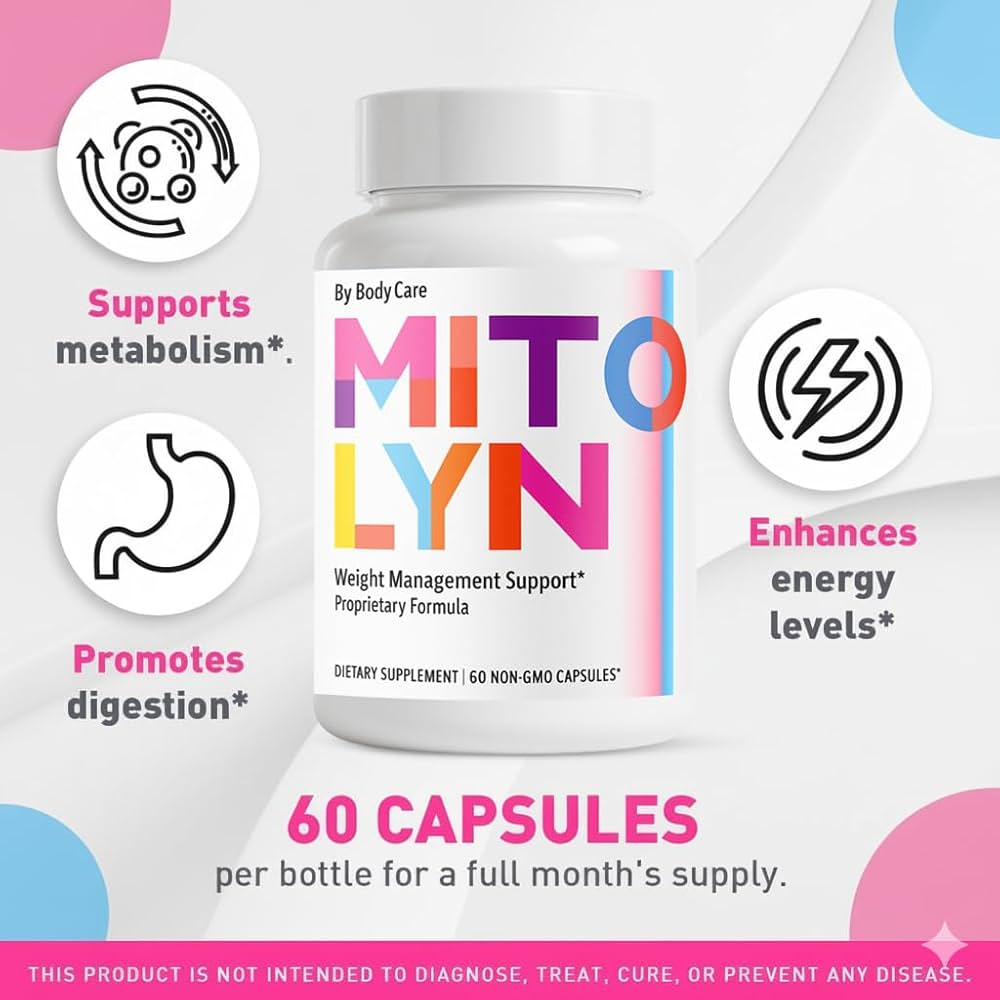
If you’re looking for additional metabolic support beyond diet and lifestyle, you may also want to explore natural supplements that have been clinically studied for their effects on metabolism, fat burning, and blood sugar regulation. We’ve reviewed several of the most popular and well-researched options on this blog — including our detailed analysis of Lipovive, which targets the GLP-1 hormone pathways that regulate metabolism and appetite, Mitolyn, which supports mitochondrial function and cellular fat burning, Ignitra, which activates AMPK — the body’s metabolic master switch, and Citrus Burn, which uses thermogenic botanicals to support natural caloric expenditure. If you’d like to understand how these supplements work before making any decision, our full reviews cover the science, ingredients, and verified customer results in complete detail.
Putting It All Together — Your Fast Weight Loss Action Plan
Now that you have the full picture, here’s how to implement these 12 methods in a practical, structured way starting today.
Week 1 — Foundation: Eliminate refined carbs and liquid calories. Drink water before every meal. Set a consistent sleep schedule of 7–9 hours. Begin tracking your food intake. Start with three 30-minute walks per week.
Week 2 — Build: Add intermittent fasting with a 14-hour fasting window. Increase protein to 0.7–1g per pound of target body weight. Add two strength training sessions per week. Begin a daily 10-minute stress management practice.
Week 3 — Accelerate: Extend the fasting window to 16 hours if comfortable. Focus on increasing NEAT throughout the day. Evaluate your results and adjust caloric intake if progress has stalled. Add green tea and capsaicin-rich foods to support metabolism.
Week 4 and Beyond — Sustain: Maintain the habits that are working and refine the ones that aren’t. Reassess your caloric target if you’ve lost significant weight — your maintenance needs will have decreased. Add variety to your strength training to continue providing a progressive stimulus for muscle development.
Frequently Asked Questions
How fast can I realistically lose weight?
In the first week, you can lose 2–6 pounds — partly fat, partly water weight. After that, 1–2 pounds of fat per week is a realistic and healthy rate that preserves muscle mass and metabolic function.
Is it safe to lose weight fast?
Losing 1–2 pounds per week through the methods described in this guide is considered safe for most healthy adults. Losing weight faster than this typically requires extreme caloric restriction that promotes muscle loss, nutrient deficiencies, and metabolic adaptation — making it both unhealthy and counterproductive long-term.
What is the single fastest thing I can do to start losing weight today?
Eliminate refined carbohydrates and liquid calories simultaneously. These two changes can reduce daily caloric intake by 500–800 calories for many people without requiring any additional effort — producing immediate reductions in water retention and beginning the transition to fat burning.
Do I need to exercise to lose weight fast?
Exercise significantly accelerates fat loss and is strongly recommended — particularly strength training. However, diet accounts for approximately 70–80% of weight loss results, making it the primary lever. If you can only focus on one area initially, start with diet.
Why am I not losing weight even when eating less?
The most common reasons include underestimating caloric intake, not eating enough protein, chronic sleep deprivation, elevated cortisol from stress, or a metabolic adaptation from previous extreme dieting. Start tracking your food intake accurately and ensure you’re sleeping at least 7 hours per night before making other adjustments.
How do I keep the weight off after losing it fast?
The methods that produce fast weight loss are the same ones that maintain it — protein-rich eating, strength training, adequate sleep, stress management, and a sustainable caloric approach. The biggest mistake people make is returning to old habits after reaching their goal. Treat the new habits as permanent lifestyle changes rather than temporary measures.