
How Can I Lose Weight Fast – 10 Honest Answers That Actually Work
If you’re asking yourself “how can I lose weight fast,” you’re at exactly the right starting point — because that question, asked honestly, is the beginning of real change. The problem isn’t that you don’t want to lose weight badly enough. The problem is that most of the answers you’ve been given are either oversimplified, medically outdated, or designed to sell you something rather than genuinely help you. In this guide, you’re going to get 10 honest, science-backed answers to that question — answers that address the real biological, hormonal, and behavioral reasons weight loss stalls, and what you can do about each one starting today.
The Real Question Behind “How Can I Lose Weight Fast”
When most people ask how can I lose weight fast, what they’re really asking is: “Why isn’t what I’m already doing working, and what do I need to change?”
That’s the right question — because in most cases, the people struggling most with weight loss are not struggling because of a lack of effort. They’re struggling because they’re applying the right effort to the wrong variables. They’re cutting calories but not addressing insulin. They’re doing cardio but losing muscle instead of fat. They’re eating “healthy” but consuming hidden calories that prevent any deficit from forming.
This guide addresses each of those hidden variables directly — so you understand not just what to do, but why it works and why what you’ve been doing may not have been working.
Answer 1 — Your Insulin Levels Are Keeping You in Fat Storage Mode
The single most important hormonal lever for fast weight loss that most people never hear about is insulin — and understanding how it works will change how you approach everything else.
Insulin is a hormone produced by the pancreas in response to rising blood sugar. When you eat carbohydrates — particularly refined ones — blood sugar rises, insulin spikes, and your body enters fat storage mode. In this state, fat cells are actively absorbing glucose and storing it as triglycerides. Your body cannot effectively burn stored fat while insulin is elevated.
This is why someone can eat 1,400 calories per day and still not lose fat — if those 1,400 calories are predominantly refined carbohydrates, insulin is chronically elevated, and fat burning is chronically suppressed regardless of the caloric deficit on paper.
The fastest way to begin losing weight is to reduce insulin spikes by eliminating refined carbohydrates — white bread, white rice, pasta, pastries, sugary drinks — and replacing them with protein, healthy fats, and complex carbohydrates from vegetables and legumes. Within days of making this change, most people notice reduced bloating, reduced water retention, and the beginning of genuine fat burning.
Answer 2 — You’re Eating the Wrong Amount of Protein
If there is one macronutrient that most people trying to lose weight fast are not eating enough of, it’s protein — and its absence is one of the most common reasons weight loss stalls despite genuine dietary effort.
Protein accelerates fat loss in ways that no other macronutrient can. Its thermic effect — the calories burned during digestion — is 25–30%, compared to just 2–3% for fat and 6–8% for carbohydrates. When you eat 200 calories of chicken breast, your body burns approximately 50–60 of those calories just processing it. When you eat 200 calories of white rice, your body burns just 12–16.
Protein also dramatically reduces appetite. Clinical studies confirm that high-protein meals suppress ghrelin — the hunger hormone — for significantly longer than equivalent calorie meals high in carbohydrates. When you’re not fighting hunger at every meal, creating and maintaining a caloric deficit becomes dramatically easier.
Most people trying to lose weight fast should aim for 0.7–1 gram of protein per pound of their target body weight daily. For a person targeting 150 pounds, that means 105–150 grams of protein per day — significantly more than the average American consumes. Practical protein sources include eggs, chicken breast, turkey, Greek yogurt, cottage cheese, fish, lean beef, and protein supplements when whole food sources aren’t practical.
Answer 3 — You’re Not Sleeping Enough
This answer surprises most people — but sleep may be the single most underutilized tool for fast weight loss available to you right now, and its absence may be the primary reason your current efforts aren’t producing the results they should.
The research is unambiguous. A landmark study published in the Annals of Internal Medicine found that dieters sleeping 8.5 hours per night lost 55% more fat than those sleeping 5.5 hours — with identical caloric intake between the two groups. The sleep-deprived group didn’t just lose less fat — they lost significantly more muscle instead, which slows the metabolism and makes further weight loss harder.
The mechanisms behind this are multiple. Sleep deprivation elevates ghrelin and suppresses leptin — producing intense hunger and specific cravings for high-calorie, high-carbohydrate foods the following day. It elevates cortisol — which promotes visceral fat storage and impairs insulin sensitivity. And it impairs the cognitive function and impulse control needed to make consistent dietary decisions throughout the day.
If you’re sleeping fewer than 7 hours per night consistently, no dietary precision or exercise dedication will produce optimal weight loss results. Fixing your sleep is not optional — it’s foundational. Set a consistent bedtime. Eliminate screens 30–60 minutes before sleeping. Keep your room cool, dark, and quiet. Avoid caffeine after 2pm.
Answer 4 — Chronic Stress Is Storing Fat Around Your Waist
If you’re asking how can I lose weight fast while experiencing significant ongoing stress, understanding the cortisol-fat connection is essential — because chronic stress directly causes fat accumulation in the abdominal region through mechanisms that diet and exercise alone cannot fully overcome.
Cortisol — the body’s primary stress hormone — evolved to help humans survive acute physical threats. It raises blood sugar for immediate energy, increases appetite for high-calorie foods to replenish energy reserves, and stores fat preferentially in the visceral abdominal area where it can be most rapidly accessed. In short bursts, this response is adaptive. When cortisol remains chronically elevated from sustained psychological stress, it produces persistent belly fat accumulation, intense sugar cravings, disrupted sleep, and impaired insulin sensitivity — all of which directly undermine weight loss.
The practical implication is that stress management is not a soft, optional add-on to your weight loss strategy — it is a direct fat loss tool. Daily physical activity is one of the most powerful cortisol-reducing interventions available. Even 20–30 minutes of walking produces measurable reductions in cortisol within hours. Deep breathing exercises, meditation, adequate sleep, limiting caffeine, and social connection all reduce cortisol through documented physiological mechanisms.
Answer 5 — You’re Drinking Your Calories Without Realizing It
One of the fastest answers to how can I lose weight fast is to audit every liquid you consume and eliminate the ones that contain significant calories.
Liquid calories are uniquely problematic because they fail to activate the satiety mechanisms that solid food triggers. When you drink 250 calories of orange juice, a flavored coffee drink, or a glass of wine, your brain receives almost no satiety signal — you remain just as hungry as you were before. The calories are real, but the feeling of having consumed food is absent. This is why liquid calories are so easy to consume in excess without awareness.
The most common offenders are sugary soft drinks, fruit juices, sweetened coffee drinks, energy drinks, sports drinks, alcohol, and flavored water products with added sugar. A single large flavored coffee from a popular chain can contain 400–600 calories — equivalent to a full meal — while producing almost no satiety. A glass of orange juice that feels like a healthy breakfast addition contains the sugar equivalent of eating four oranges, without any of the fiber that would slow that sugar’s absorption.
Eliminating these and replacing them with plain water, sparkling water, black coffee, and plain tea can reduce daily caloric intake by 300–600 calories for many people — enough to produce an additional 0.5 to 1 pound of fat loss per week without any other changes.
Answer 6 — You Need to Move More Throughout the Day, Not Just During Workouts
Most people who exercise regularly assume that their workout accounts for the majority of their daily caloric expenditure. The reality is that for most people, a one-hour workout burns 300–500 calories — while NEAT (Non-Exercise Activity Thermogenesis) — the calories burned through all non-exercise movement — can account for 1,500–2,000 calories of daily expenditure.
NEAT includes every movement you make outside of formal exercise: walking between rooms, taking stairs, standing versus sitting, fidgeting, doing household tasks, and every other physical activity throughout your day. Research shows that lean individuals naturally accumulate 2–2.5 hours more low-intensity movement per day than obese individuals — not through deliberate exercise but through unconscious movement habits.
If you spend most of your day sitting — at a desk, in a car, on a couch — your NEAT is extremely low regardless of your gym attendance. Increasing it through simple behavioral changes can add 300–500 calories of additional daily expenditure without any dedicated exercise time.
Practical NEAT-increasing habits include standing at your desk for part of the work day, taking 5-minute walking breaks every hour, always taking stairs instead of elevators, parking further away and walking, doing household chores more actively, and walking during phone calls. These seemingly small changes compound into significant additional caloric expenditure over the course of a week.
Answer 7 — Intermittent Fasting Creates the Hormonal Environment for Fast Fat Loss
If you want a practical answer to how can I lose weight fast without complicated meal planning, intermittent fasting offers one of the most metabolically efficient approaches available.
The 16:8 protocol — eating within an 8-hour window and fasting for 16 hours — is the most popular and accessible implementation. A typical application involves eating between noon and 8pm, then fasting until noon the following day. The morning fasting period overlaps with sleep, making the 16 hours significantly more manageable than it sounds.
During the fasting period, several important metabolic processes occur. Insulin drops to its lowest levels of the day — creating the hormonal environment in which fat burning is maximized. After 12–16 hours without food, glycogen stores are depleted and the body preferentially uses fat as its primary fuel source. Human growth hormone levels increase significantly during fasting — supporting both fat oxidation and muscle preservation. And cellular cleanup processes called autophagy are activated — removing damaged cellular components and improving overall metabolic efficiency.
Beyond the direct metabolic benefits, most people find that intermittent fasting naturally reduces total caloric intake — it’s simply difficult to eat as many calories in an 8-hour window as you would across an unrestricted day. This automatic caloric reduction, combined with the fat-burning hormonal environment, makes intermittent fasting one of the most effective practical strategies for fast weight loss.
Answer 8 — Strength Training Changes Your Body Composition in Ways Cardio Cannot
If you’re exclusively doing cardio in pursuit of fast weight loss, you’re working significantly harder than you need to for significantly fewer results than you could be getting.
Cardio burns calories during the activity. Strength training burns calories during the activity AND for 24–48 hours afterward through the excess post-exercise oxygen consumption effect — as your body repairs muscle tissue and restores physiological balance. More importantly, every pound of muscle you build increases your resting metabolic rate by 6–10 calories per day — permanently. This metabolic dividend compounds over time, making weight maintenance progressively easier as muscle mass increases.
Cardio without strength training during a caloric deficit also promotes significant muscle loss alongside fat loss — slowing your metabolism and making your body composition less favorable even as the scale goes down. The person who loses 30 pounds through cardio and caloric restriction alone often ends up “skinny-fat” — lighter on the scale but with a higher body fat percentage than optimal — while the person who incorporates strength training ends up leaner, more metabolically active, and better equipped for long-term weight maintenance.
You don’t need a fully equipped gym. Three sessions per week of bodyweight exercises — squats, lunges, push-ups, rows using a table edge or resistance band, and planks — performed with adequate intensity provide sufficient muscle-building stimulus to preserve and build lean mass during weight loss.
Answer 9 — You Need to Track What You’re Actually Eating
Research consistently shows that people underestimate their caloric intake by 20–50%. The person who reports eating 1,500 calories per day is frequently consuming 1,800–2,250 in reality — enough of a discrepancy to completely eliminate any intended caloric deficit.
This is not a character flaw or a sign of dishonesty. It reflects the genuine difficulty of estimating portion sizes, the hidden calories in sauces, dressings, cooking oils, and condiments, and the cumulative effect of small extras throughout the day that individually seem insignificant.
Food tracking with an app like MyFitnessPal, Cronometer, or Lose It eliminates this guesswork by creating objective accountability for actual consumption. Studies consistently show that people who track their food intake lose significantly more weight than those who don’t — even when following identical dietary guidelines. The act of tracking itself changes behavior: awareness of what you’re consuming in real time makes it significantly easier to make different choices before rather than after.
Four to six weeks of consistent food tracking is typically sufficient to develop the caloric awareness and portion estimation skills that allow most people to maintain results without ongoing tracking. But in the initial fast weight loss phase, it is one of the highest-impact behavioral tools at your disposal.
Answer 10 — Your Metabolism May Need Natural Support
After implementing the nine answers above honestly and consistently, some people find that their metabolism still isn’t responding the way it should. This is particularly common in people who have been through multiple cycles of dieting — each cycle leaving behind a slightly more adapted, more resistant metabolism — and in people over 40 whose hormonal environment has shifted in ways that make fat burning less efficient at the cellular level.
When this is the case, natural metabolic support through research-backed supplements can provide the additional push that lifestyle changes alone haven’t been sufficient to produce. We’ve reviewed several of the most rigorously studied natural metabolic support supplements on this blog.
Lipovive targets the GLP-1 and GIP hormone pathways — the same biological mechanisms behind prescription weight loss medications — through a natural botanical formula. Our full Lipovive Review covers the complete ingredient science.
Mitolyn addresses mitochondrial function — the cellular energy production bottleneck that Harvard research has linked directly to metabolic decline and stubborn weight gain. Our Mitolyn Reviews post covers what 2025 and 2026 clinical research says about this approach.
Ignitra activates AMPK — the body’s metabolic master switch — through an 11-ingredient formula specifically designed to restore insulin sensitivity, blood sugar stability, and fat-burning efficiency. See our full Ignitra Reviews for the complete breakdown.
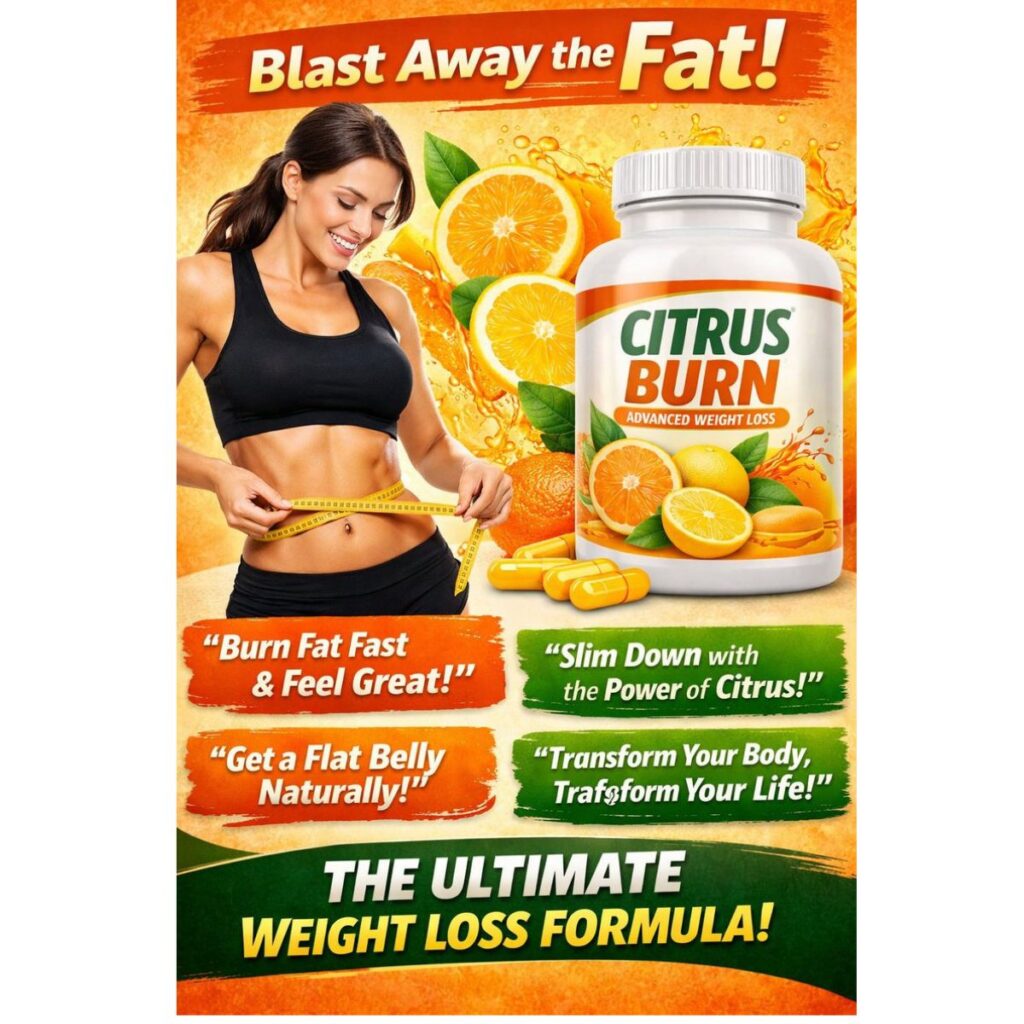
Citrus Burn uses thermogenic botanicals including Seville orange p-synephrine and Andalusian red pepper to support natural caloric expenditure through thermogenesis — the same mechanism that makes some people naturally run warmer and burn more calories at rest. Our Citrus Burn Reviews post covers the science and verified customer results.
If you want to understand which of these approaches might be most relevant for your specific situation, reading through those reviews before making any decision is the best place to start.

Your Action Plan — Starting Today
Here is how to implement the 10 answers from this guide in a practical, staged way:
Today: Eliminate all liquid calories and refined carbohydrates. Drink a large glass of water before every meal and every time you feel hungry.
This week: Begin tracking your food intake with an app. Set a consistent sleep schedule of 7–9 hours. Add a 20–30 minute walk every day.
Week 2: Introduce intermittent fasting with a 14-hour fasting window and extend to 16 hours when comfortable. Add two strength training sessions per week. Begin a daily 10-minute stress management practice.
Week 3 and beyond: Evaluate your results, adjust caloric intake if progress has stalled, and explore natural metabolic support if lifestyle changes alone are not producing the results you’re working toward.
Frequently Asked Questions
How can I lose weight fast without exercise?
Diet accounts for approximately 70–80% of weight loss results, so meaningful fat loss is achievable through dietary changes alone. Eliminating refined carbs, liquid calories, and creating a moderate caloric deficit through high-protein eating will produce results without formal exercise. However, adding even light movement — daily walking — dramatically accelerates the process and provides health benefits that diet alone cannot.
How can I lose weight fast in my stomach specifically?
You cannot spot-reduce fat from specific areas — fat loss occurs systemically across your entire body based on your genetics and hormonal profile. However, reducing insulin spikes through refined carb elimination and managing cortisol through stress reduction and adequate sleep specifically targets the hormonal drivers of visceral abdominal fat accumulation — making these the most direct approaches to belly fat reduction.
Is losing weight fast dangerous?
Losing 1–2 pounds of fat per week through the methods described in this guide is safe for most healthy adults. More aggressive approaches involving extreme caloric restriction carry risks including muscle loss, nutrient deficiencies, gallstone formation, and metabolic adaptation that makes long-term weight maintenance harder.
How long does it take to see results?
Most people implementing the changes described in this guide notice visible changes within 2–3 weeks — initially in reduced bloating and water retention, then in genuine fat loss as the weeks progress. Meaningful body composition changes are typically visible to others within 4–8 weeks.
These statements are for informational purposes only and do not constitute medical advice. Always consult a qualified healthcare provider before making significant changes to your diet or starting a new supplement program.